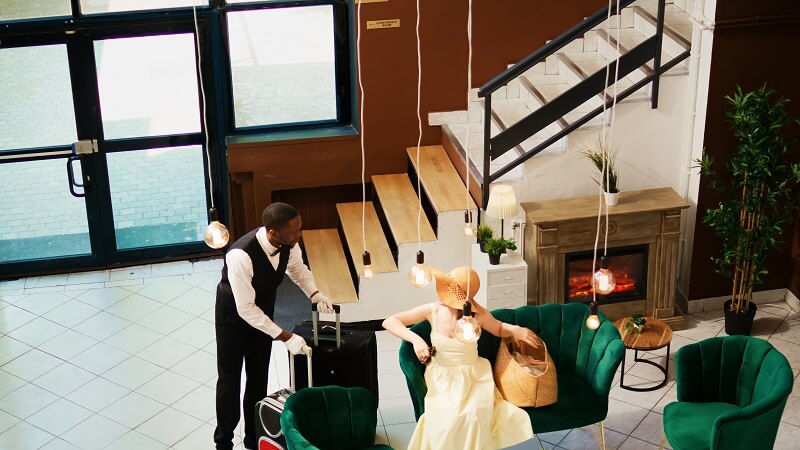
Most people don’t consciously decide between a boutique hotel and a large chain. They decide based on feeling. Comfort. Curiosity. A sense of ease. That’s why travelers researching hotels collingwood often pause when they encounter a smaller, more intentional property. Something about it feels different, before they can even explain why.
Boutique hotels don’t compete with big chains on scale. They compete on experience. The difference isn’t about amenities lists or loyalty points. It’s about how space, service, and atmosphere combine to shape how a stay feels while it’s happening, and how it’s remembered afterward.
Understanding what truly separates boutique hotels from large chains requires looking beyond branding and into human behavior.
1. Boutique Hotels Are Designed Around Feeling, Not Replication
Large hotel chains are built for consistency. Boutique hotels are built for connection.
Chains Optimize for Predictability
Big hotels are designed to feel familiar no matter where you are. The layout, the room setup, even the scent is often standardized.
That predictability can be comforting, but it’s also anonymous.
Boutique Hotels Design for Emotional Response
Boutique properties tend to focus on:
- atmosphere over scale
- detail over repetition
- mood over uniformity
Spaces are curated, not cloned. Each design choice contributes to how guests feel, not just how efficiently the hotel operates.
Memory Is the Metric
People rarely remember the exact layout of a chain hotel room. They remember how a place made them feel.
Boutique hotels prioritize memorability over sameness.
2. Scale Changes How Guests Are Treated
Size quietly shapes behavior, on both sides of the desk.
Smaller Properties Allow Personal Attention
In boutique hotels, staff often:
- recognize guests
- remember preferences
- engage more naturally
This isn’t about luxury, it’s about human scale. When fewer rooms exist, interactions slow down and become more personal.
Chains Rely on Systems
Large hotels depend on process. That efficiency supports volume, but it also limits flexibility.
When something falls outside the system, responses can feel impersonal or procedural.
Personal Recognition Feels Different
Being remembered, even briefly, changes the experience. It creates a sense of belonging rather than transaction.
Boutique hotels trade volume for presence.
3. Location Is Integrated, Not Isolated
Where a hotel sits matters, but how it relates to its surroundings matters more.
Chains Often Stand Apart
Large hotels frequently function as destinations unto themselves. Restaurants, lounges, gyms, and meeting spaces keep guests inside the building.
This works well for convenience, but can distance guests from the place they’re visiting.
Boutique Hotels Engage With Their Environment
Boutique properties are often woven into the fabric of their location. They encourage:
- walking rather than commuting
- exploration rather than enclosure
- discovery rather than containment
The surrounding community becomes part of the stay.
Travel Feels More Grounded
Guests leave feeling like they experienced a place, not just stayed near it.
That sense of grounding is hard to replicate at scale.
4. Experience Is Curated, Not Automated
Technology plays different roles depending on hotel philosophy.
Chains Prioritize Efficiency
Automated check-ins, standardized services, and streamlined processes support high volume and speed.
They reduce friction, but also reduce interaction.
Boutique Hotels Curate Touchpoints
In boutique settings, experiences feel intentional rather than optimized. Small choices, lighting, sound, texture, pacing, are designed to slow guests down.
The experience unfolds rather than processes.
Less Noise, More Presence
Without constant upselling or system prompts, guests often feel less rushed and more aware of where they are.
Presence becomes part of the value.
5. Boutique Hotels Are Remembered Long After Checkout
The final difference often shows up after the stay ends.
Chains Fade Into the Background
Chain hotels do their job well. They provide rest, reliability, and convenience.
But they rarely become part of a travel story.
Boutique Hotels Become Part of the Narrative
Guests remember:
- the atmosphere
- the neighborhood
- the quiet moments
- the sense of ease
These memories aren’t manufactured, they emerge naturally from intentional design and human-scale service.
Experience Shapes Loyalty
People don’t return to boutique hotels because they’re supposed to. They return because the experience felt personal.
And personal experiences last.
The Takeaway: Boutique Hotels Feel Different Because They Are Built Differently
Boutique hotels aren’t smaller versions of big hotels. They’re fundamentally different in purpose.
They prioritize:
- emotional connection over uniformity
- human interaction over automation
- place over isolation
- memory over efficiency
Big hotel chains serve an important role. They provide consistency and scale.
Boutique hotels serve a different need, the desire to feel present, grounded, and genuinely welcomed.
And for travelers who value experience as much as comfort, that difference isn’t subtle.
It’s the reason they remember the stay long after they’ve returned home.