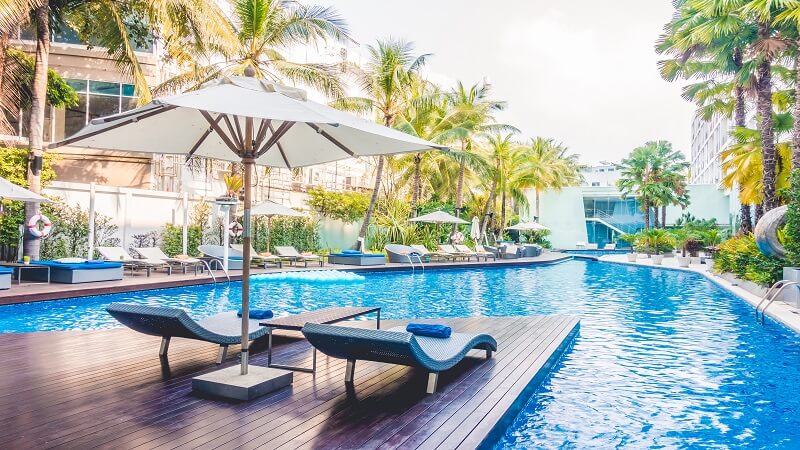
A clean pool sends a powerful message,often before anyone even enters the water. It signals care, professionalism, and safety. Yet in commercial environments, cleanliness isn’t just about appearance. It’s about consistency, efficiency, and risk reduction. That’s why facility operators responsible for long-term pool performance often spend time evaluating pool cleaners not as accessories, but as core operational tools.
Choosing the right commercial pool cleaner isn’t a one-size-fits-all decision. What works for a small community center may fall short in a busy aquatic facility. The right choice depends on how the pool is used, how often it’s cleaned, and how much strain the system experiences day after day.
Understanding those factors helps shift the decision from reactive maintenance to proactive management.
1. Start With How Your Pool Is Actually Used
The most common mistake in selecting a pool cleaner is focusing on specifications before understanding real-world conditions.
Bather Load Shapes Cleaning Needs
Commercial pools experience continuous use. Each swimmer contributes:
- dirt and debris
- hair and fibers
- oils and residue
Higher bather loads mean more frequent cleaning is required,e specially along floors, walls, and corners where debris settles.
Activity Level Matters
Pools used for:
- swim lessons
- competitive training
- recreational play
- therapy or rehab
experience different types of debris and wear. A pool used heavily for instruction may accumulate fine sediment, while recreational pools may see larger debris and more surface contamination.
Cleaning Frequency Isn’t Optional
In commercial settings, cleaning is ongoing,not occasional. The right cleaner must handle repeated cycles without loss of performance or reliability.
Understanding use patterns is the foundation of choosing the right equipment.
2. Match the Cleaner to the Pool’s Physical Environment
Every pool has its own physical demands.
Pool Size and Shape Influence Performance
Larger pools require cleaners capable of covering more surface area efficiently. Irregular shapes, steps, and slopes introduce complexity that some cleaners handle better than others.
Corners, ledges, and depth transitions are common problem areas.
Surface Material Makes a Difference
Pool finishes,such as concrete, tile, or liner,affect traction and debris behavior. Cleaners must move reliably across surfaces without slipping or missing areas.
A cleaner that performs well on one surface may struggle on another.
Water Features Create Debris Zones
Features like:
- fountains
- waterfalls
- play structures
Often, it introduces localized debris buildup. Cleaners must be able to navigate these zones consistently.
Choosing a cleaner that aligns with the physical layout prevents uneven results.
3. Understand the Difference Between Cleaner Types
Not all commercial pool cleaners operate the same way.
Manual vs Automated Cleaning
Manual cleaning provides control but requires:
- staff time
- consistent scheduling
- physical effort
Automated cleaners reduce labor demands and provide more predictable coverage, especially in high-use facilities.
Suction, Pressure, and Robotic Systems
Each approach has trade-offs:
- suction-based cleaners rely on pool circulationpressure-based systems use return flow
- robotic cleaners operate independently
The right choice depends on infrastructure, staffing, and operational priorities,not just performance metrics.
Independence Improves Consistency
Systems that operate independently of the main filtration system often provide more consistent cleaning, particularly during peak usage periods when circulation systems are already under strain.
Consistency supports safety.
4. Reliability, Maintenance, and Downtime Matter More Than Speed
In commercial pools, downtime is costly.
Durability Is Non-Negotiable
Commercial equipment operates daily, often for extended hours. Components must withstand:
- continuous exposure to water and chemicals
- repeated cycles
- heavy debris loads
Equipment designed for residential use rarely holds up under these conditions.
Maintenance Should Be Predictable
Cleaners that are:
- easy to access
- simple to service
- designed with replaceable parts
are more likely to be maintained properly. Complex systems often lead to deferred maintenance, reducing effectiveness over time.
Downtime Affects More Than Appearance
When cleaning systems fail, debris accumulates quickly. This can:
- strain filtration systems
- destabilize water chemistry
- increase closure risk
Reliable cleaners reduce the chance of cascading issues.
5. Cleaning Is About Prevention, Not Perfection
The goal of commercial pool cleaning isn’t visual perfection,it’s stability.
Clean Pools Support Filtration and Chemistry
By removing debris before it breaks down, pool cleaners reduce:
- organic load
- chemical demand
- stress on filtration systems
This supports overall water quality more effectively than chemicals alone.
Prevention Reduces Reactive Maintenance
Facilities that clean proactively spend less time correcting issues after they arise. This leads to:
- smoother daily operations
- fewer emergency interventions
- more predictable maintenance schedules
Prevention is always easier than recovery.
Cleanliness Builds Public Trust
While most swimmers won’t analyze cleaning systems, they notice outcomes. Clean surfaces reinforce confidence in facility management and safety.
Trust is built quietly, over time.
The Takeaway: The Right Pool Cleaner Supports the Entire System
Choosing a commercial pool cleaner isn’t about finding the fastest or most advanced option. It’s about selecting equipment that aligns with:
- How the pool is used
- the physical environment
- staffing realities
- long-term maintenance needs
The right cleaner:
- reduces labor strain
- supports filtration and chemistry
- minimizes downtime
- improves consistency
- protects public confidence
When cleaning systems are chosen thoughtfully, they fade into the background,doing their job reliably, day after day.
And in commercial pool operations, that quiet consistency is exactly what keeps everything else running smoothly.