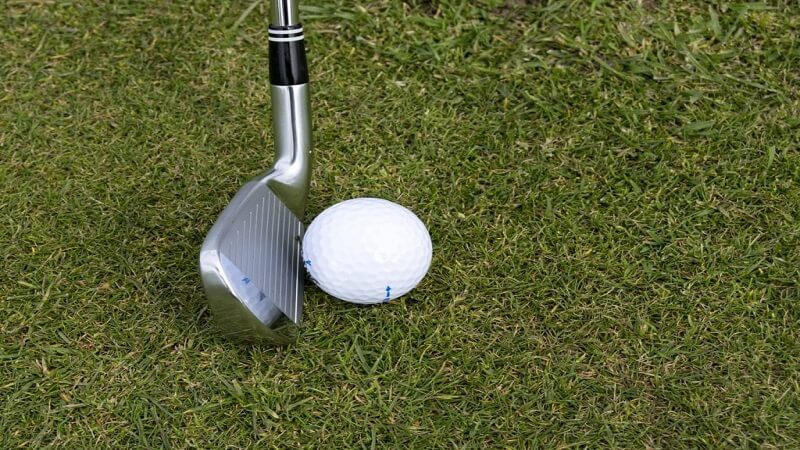
Practicing golf indoors changes the rhythm of the game. Without weather, uneven lies, or long walks between shots, attention shifts inward,toward mechanics, feedback, and repetition. In environments built for indoor golf toronto players rely on, the club you choose becomes less about tradition and more about intention. Indoors, every swing is observed, measured, and repeated. The equipment you use can either support that clarity or quietly work against it.
Choosing the right clubs for simulator play isn’t about buying something new. It’s about understanding how indoor conditions alter feedback, ball flight interpretation, and learning patterns. When those factors are aligned, practice becomes more productive and far more enjoyable.
1. Indoor Golf Changes What You Need From a Club
Indoor simulator environments remove many of the variables golfers are used to managing.
Less Environment, More Information
Outdoors, clubs are chosen to manage wind, turf interaction, elevation, and conditions. Indoors, those factors disappear. What remains is the relationship between club and ball.
This shifts emphasis toward:
- consistency
- contact quality
- launch characteristics
- spin behavior
The club becomes a diagnostic tool rather than a situational one.
Feedback Is Immediate and Precise
Simulators capture detailed data. Small differences in club setup, shaft behavior, or face angle become visible immediately.
This means:
- inconsistencies show up faster
- mismatches are easier to spot
- Patterns become clear quickly
The wrong club doesn’t just underperform; it teaches the wrong lesson.
2. Why Familiarity Often Beats Experimentation Indoors
Many golfers assume indoor practice is the ideal time to experiment aggressively with new clubs.
Sometimes it is. Often, it isn’t.
Learning Works Best With Stable Variables
When everything else is controlled, changing equipment too frequently can blur cause and effect. If the club changes every session, it becomes harder to know whether improvements come from technique or tools.
Using familiar clubs allows:
- cleaner comparisons
- more reliable feedback
- clearer learning signals
Consistency supports understanding.
Simulators Amplify Differences
Indoors, subtle differences in:
- shaft stiffness
- club length
- head design
- loft gapping
are magnified by data. Familiar clubs give you a baseline. Without that baseline, numbers lose context.
Stability Reduces Cognitive Load
Golf improvement requires focus. Familiar equipment reduces decision-making fatigue and lets attention stay on movement and rhythm.
Sometimes, the best indoor club choice is simply the one you know well.
3. Loft, Gapping, and Why Indoor Distances Feel Different
One of the first things golfers notice indoors is that distances can feel unfamiliar.
Launch Conditions Are Cleaner Indoors
Without wind or imperfect lies, launch conditions are often more optimal. This can make certain clubs appear to fly farther or more consistently than expected.
Understanding this prevents overcorrection.
Gapping Matters More Than Individual Distance
Rather than focusing on how far one club goes, simulator practice highlights spacing between clubs.
Pay attention to:
- consistent yardage gaps
- overlap between clubs
- carry vs. total distance
Clubs that look redundant outdoors may reveal gaps,or vice versa,indoors.
Adjusting Expectations Improves Learning
Indoor distances aren’t wrong; they’re controlled. The key is learning how each club behaves relative to the others, not chasing absolute numbers.
Clubs that produce predictable spacing support better decision-making on the course.
4. Shafts, Feel, and Indoor Swing Tempo
Indoor environments often encourage a slightly different swing mindset.
Reduced Distractions Affect Tempo
Without environmental stressors, golfers often swing more freely or more deliberately. This can expose mismatches between swing tempo and shaft characteristics.
A shaft that feels manageable outdoors may feel:
- too softtoo rigid
- inconsistent
When swings become more controlled indoors.
Feel Matters More Than Distance
Indoor practice is about repeatability. Clubs that feel stable through impact tend to produce more consistent data and more reliable learning.
Pay attention to:
- balance
- timing
- Feedback at impact
Numbers matter, but feelings sustain progress.
Don’t Chase “Perfect” Numbers
A club that produces ideal launch data but feels uncomfortable can undermine confidence. The best indoor club choice balances measurable performance with intuitive trust.
Confidence is a learning accelerator.
5. Using Simulator Practice to Make Smarter Equipment Decisions
One of the hidden benefits of simulator play is clarity,not just about your swing, but about your equipment.
Patterns Reveal Themselves Quickly
Over multiple sessions, simulators highlight:
- recurring miss patterns
- launch inconsistencies
- spin irregularities
These patterns can indicate whether issues are technical or equipment-related.
Simulators Support Informed Adjustments
Instead of guessing, golfers can:
- test one change at a time
- Compare results objectively
- confirm improvements
This makes simulator environments ideal for validating,not guessing,equipment decisions.
The Goal Isn’t Optimization,It’s Alignment
The right clubs indoors are the ones that:
- support consistent contact
- reinforce good habits
- provide reliable feedback
Perfect specs matter less than alignment between golfer, club, and learning environment.
The Takeaway: Indoor Practice Rewards Thoughtful Simplicity
Choosing the right clubs for indoor simulator play isn’t about upgrading; it’s about understanding.
Indoor environments reward:
- consistency over novelty
- clarity over complexity
- familiarity over experimentation
When clubs align with how simulators deliver feedback, practice becomes more intentional. Swings feel calmer. Data makes sense. Learning accelerates.
The best indoor clubs aren’t the most advanced or the newest. They’re the ones that let you focus on the swing,not the equipment.
And when attention stays where it belongs, improvement tends to follow,quietly, steadily, and with far less friction.